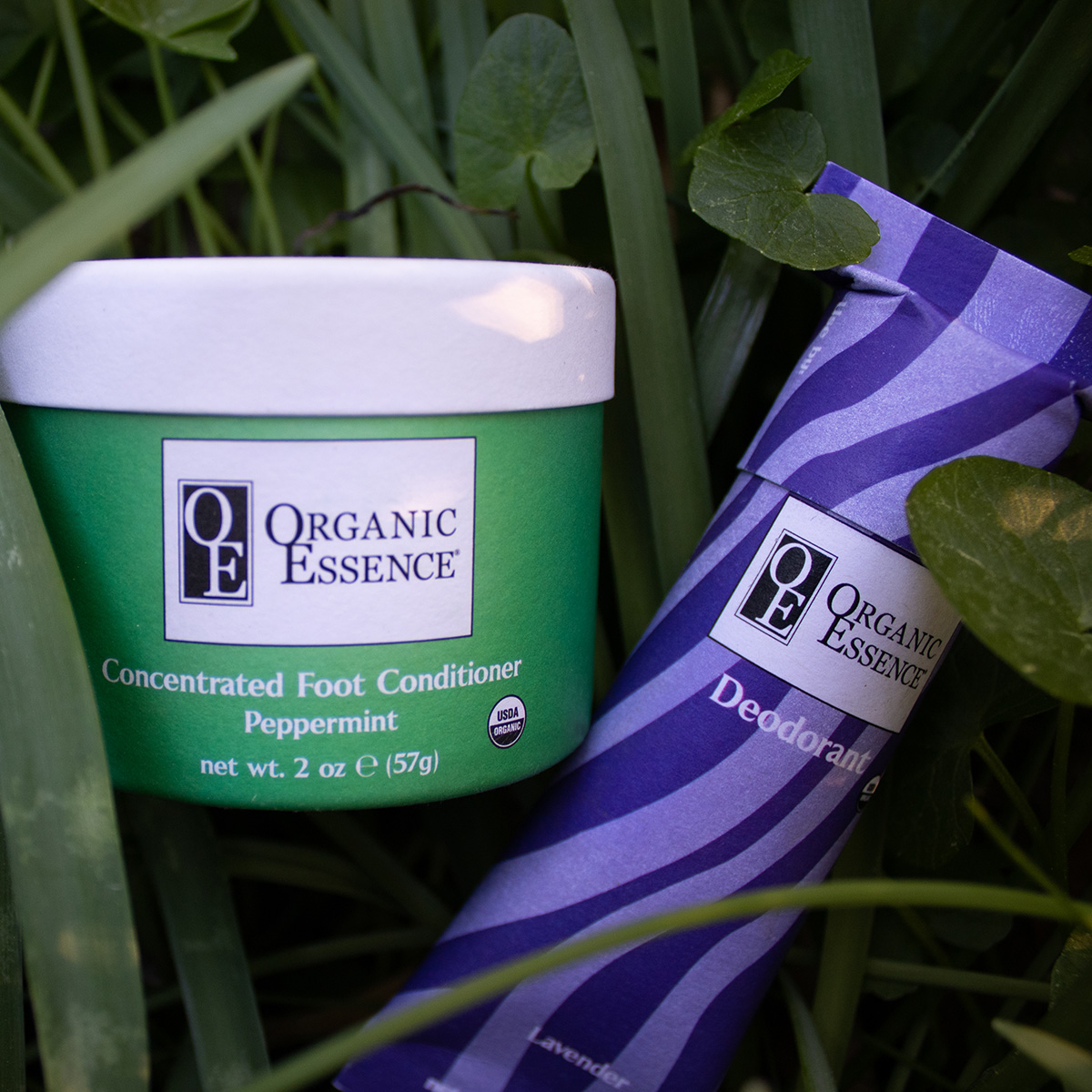

Not all “organic” products are created equal. In fact, most aren’t organic at all.
USDA Certified Organic is the only guarantee that means anything. It’s certified to food-grade standards — no pesticides, no GMOs, no chemical fragrances, dyes, detergents, or preservatives. That last part matters most, because detergents and preservatives are the ingredients raising the biggest red flags for health-conscious consumers.
“Natural” was the first casualty.
The natural body care movement took off in the 1990s and “natural” quickly became the most overused word in the beauty industry. It now means almost nothing. Brands slap it on anything.
“Organic” is next.
The same playbook is being run on organic. Watch for these red flags: products that simply claim to be organic with no certification, homemade-looking “organic” logos, brand names with the word organic baked in, or vague claims about containing some organic ingredients. These tactics often hide the very detergents and preservatives you’re trying to avoid.
How to spot the real thing on the ingredient deck.
Turn the product over. Look for two things: individual ingredients marked with an asterisk (*) followed by the words “certified organic” — this tells you exactly which ingredients are genuinely certified, not just claimed. Then look for the name of the certifying agency, usually printed near the ingredient list or USDA seal. A legitimate third-party certifier backs up every claim. No asterisks, no agency, no accountability.
The only rule that matters: look for the USDA Organic seal.
It’s the world’s gold standard — the strictest certification for body care products on the planet. No seal, no guarantee.
At Organic Essence, USDA Certified Organic isn’t a marketing strategy. It’s the whole point.